

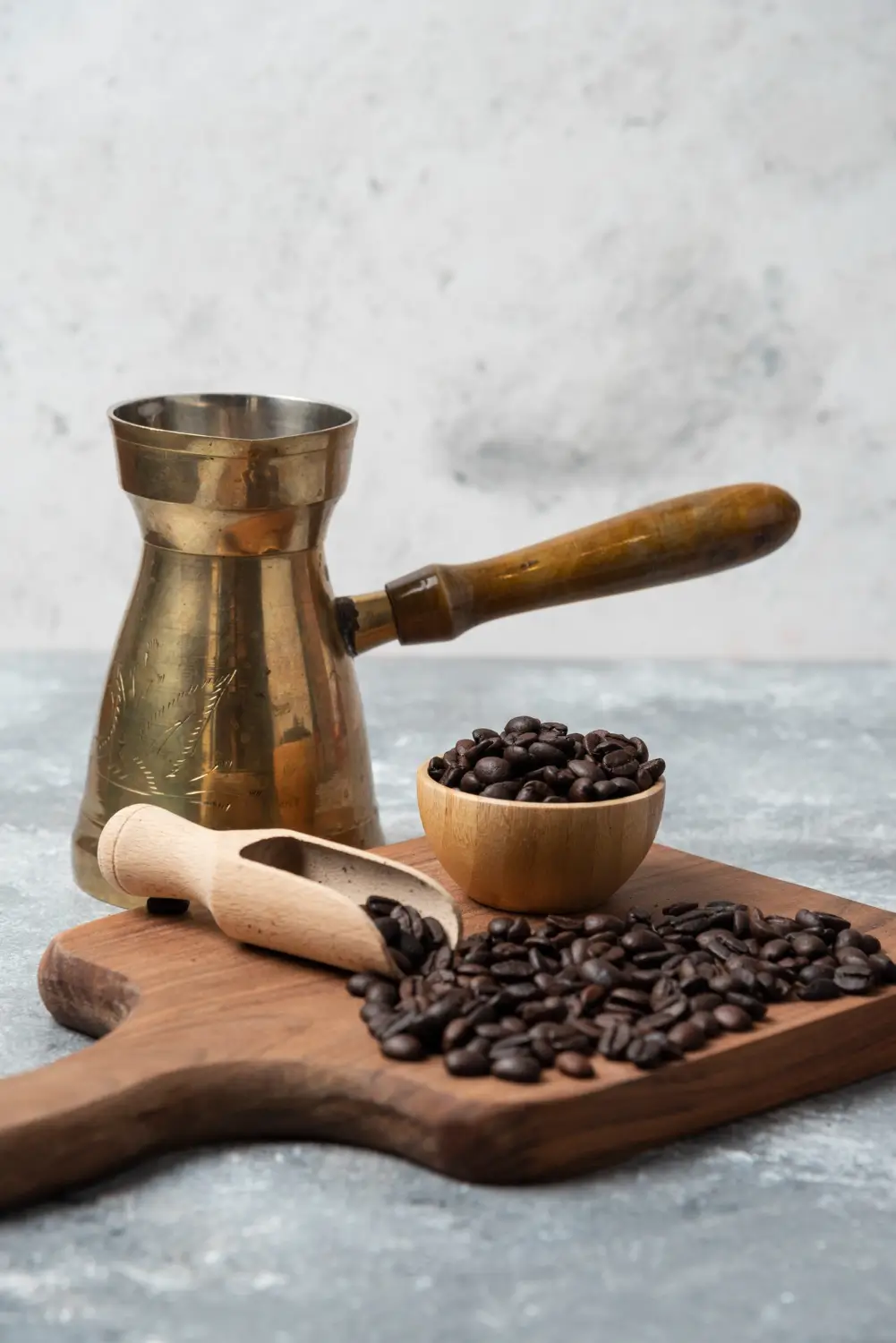
Turkish coffee is more than just a drink. It’s a deep cultural experience, inviting you to taste a rich tradition. This ancient brew, rooted in Ottoman customs, offers a unique journey for your senses. Its distinct brewing method and history make it stand out from other coffees worldwide. When you understand Turkish coffee, you appreciate centuries of shared history, social rituals, and unmatched flavor.
- What is Turkish coffee? Defining its unique characteristics
- What are the essential ingredients for authentic Turkish coffee?
- The art of brewing: How to make Turkish coffee traditionally?
- Key equipment: What tools do you need for Turkish coffee?
- Beyond the cup: What is the cultural significance of Turkish coffee?
- Serving and savoring Turkish coffee: What is the etiquette?
- Turkish coffee vs. other brews: How does Turkish coffee compare?
What is Turkish coffee? Defining its unique characteristics
Turkish coffee is an unfiltered coffee. Its unique traits include an extremely fine grind, a special brewing method in a cezve, and a thick, frothy texture. This brew gives you a strong, rich, and deeply aromatic experience. The traditional process creates a full-bodied cup, keeping all the coffee’s natural oils and flavors.
- Its grind is incredibly fine, like flour or powdered sugar. Coffee beans typically grind between 75 and 125 microns—much finer than espresso. This ultra-fine consistency helps the coffee dissolve when boiled, releasing full flavor,
- The brewing process is unfiltered. Coffee grounds boil directly with water. This creates a thick, muddy texture in your cup as the grounds settle. Not filtering keeps all the coffee’s rich oils, leading to a truly robust flavor,
- You need a special pot called a cezve (or sometimes an ibrik). These pots are often copper. They have a wide base, a narrow neck, and a long handle. The cezve’s design helps create Turkish coffee’s signature dense foam, which is a key part of the experience,
- Preparation requires slow, careful heating. You must prevent the coffee from boiling over. This gentle process ensures the best flavor and forms that desired frothy foam. A controlled temperature lets the grounds infuse the water without burning delicate flavors.
People serve Turkish coffee in small, handle-less cups called fincans. These delicate cups hold the concentrated drink and let the grounds settle. You often get a glass of cold water to cleanse your palate. A sweet treat like Turkish delight might also come with it, balancing the coffee’s intense flavor.
What are the essential ingredients for authentic Turkish coffee?
You need only a few key ingredients for authentic Turkish coffee. Quality and proper preparation are vital. Simple components let the coffee’s rich flavor stand out. Each part helps create the right taste and texture for this traditional brew.
- Extremely finely ground Arabica coffee, usually a medium or dark roast. This coffee powder must be as fine as flour. It ensures a consistent, strong brew. Freshly roasted and ground beans offer the best flavor, keeping all the coffee’s aromatic compounds,
- Cold or warm filtered water acts as the liquid base. The amount is precise: one heaping tablespoon of fine coffee for each 60 ml cup of water. Filtered water stops unwanted tastes from spoiling the coffee’s delicate flavor,
- Sugar often goes in at the start of brewing. It dissolves completely into the coffee. You choose your sweetness level: sade (no sugar), az (a little), orta (medium), and şekerli (sweet). Adding sugar early makes Turkish coffee unique among other preparations,
- Optional spices can enhance aroma and flavor, though not always common. Ground cardamom or mastic resin are traditional choices in some regions. These spices add complexity for those who like it.
The art of brewing: How to make Turkish coffee traditionally?
Brewing Turkish coffee follows a precise, step-by-step process. It turns fine coffee grounds and water into a rich, foamy delight. This traditional method, perfected over centuries, gives the coffee its deep flavor and signature foam. Master these steps, and you can make authentic Turkish coffee at home.
Here is a guide for preparing Turkish coffee:
- Gather finely ground Turkish coffee, cold water, and sugar if you want it. Make sure your coffee is fresh for the best taste,
- Combine the exact amount of coffee and sugar (if you use it) in your cezve. Fill the cezve with water, measuring one cup’s worth for each serving. Stir the mix briefly to combine everything before heating,
- Place the cezve on low to medium heat. Heat the mixture slowly and patiently. Watch the coffee as it starts to foam. Do not let it boil hard at this stage,
- When a dense foam forms on top, carefully use a teaspoon. Transfer some foam into each of your Turkish coffee cups. This first foam adds to the drink’s look and feel,
- Return the cezve to the heat for a short second boil. Do this just until the coffee starts to rise again. Immediately pour the rest of the coffee into the cups, filling them to the brim over the foam.
The careful pour is the final step in brewing Turkish coffee. It ensures you get rich, evenly spread foam.
Key equipment: What tools do you need for Turkish coffee?
You need specific traditional tools to prepare Turkish coffee right. They help you get the authentic flavor and frothy texture. These special tools make the unique brewing process possible. Knowing their design and how they work improves your experience of making and enjoying Turkish coffee.
The cezve (also called an ibrik or briki) is the most important brewing pot for Turkish coffee. It usually has a wide bottom, a narrow neck, a long handle, and a distinct pouring lip. Traditionally, people make it from copper. Copper conducts heat well, ensuring even cooking and good foam. The cezve’s narrow top helps concentrate the coffee’s rich smells and forms the crucial foam for authentic Turkish coffee.
Turkish coffee cups, or fincans, are small, delicate cups. They serve this strong brew. They often do not have handles. They are taller and narrower than other coffee cups. This design helps the fine coffee grounds stay at the bottom. These elegant cups make the traditional sipping experience better.
Beyond the cup: What is the cultural significance of Turkish coffee?
Turkish coffee holds deep cultural and historical importance. It is much more than just a drink. It ties closely to Ottoman and Turkish traditions, showing hospitality, social connection, and good taste. You see it at important life events and in daily interactions.
Turkish coffee is a strong symbol of welcome and friendship. It’s customary to offer it to guests, showing a warm greeting and a chance for talk. Drinking coffee together builds friendships and community at social gatherings, engagements, and holidays.
An old proverb says, “A cup of coffee commits one to 40 years of friendship.” This shows how much people value shared moments over Turkish coffee.
UNESCO recognized Turkish coffee’s cultural importance. In 2013, it added “Turkish coffee culture and tradition” to the Representative List of the Intangible Cultural Heritage of Humanity. This shows the rituals, traditions, and social customs around making and drinking it. It confirms Turkish coffee as a living heritage.
A fascinating tradition with Turkish coffee is fortune telling, called fal. After you drink the coffee, you flip the cup onto its saucer. The leftover grounds make patterns. People then read these patterns to see things about your future or current life. This adds a mystical touch to the experience.
Serving and savoring Turkish coffee: What is the etiquette?
Serving and enjoying Turkish coffee is a ritual. It makes the experience better, turning it from just drinking into a cultural act. The specific things that come with it and how you sip it are key to appreciating this unique drink. Following these traditions shows respect for the history in each cup.
You always get Turkish coffee with a glass of cold water. This cleans your palate, getting your taste buds ready for the coffee’s strong flavor. Often, a small sweet treat like Turkish delight (lokum) or chocolate comes with the coffee. The sweetness helps balance the coffee’s bitterness, creating a nice contrast.
Sip Turkish coffee slowly and thoughtfully. This allows time for talk and for the fine coffee grounds to settle. People usually do not drink the very last sip. It holds the thick sediment of coffee grounds. This practice makes sure you have a pleasant drinking experience.
The rich, frothy foam on Turkish coffee is not just for looks. It shows a well-made brew, and it signals the coffee’s freshness and quality. Serving a cup with plenty of foam is a point of pride for the person who made it. Many judge the brew’s skill by how thick and consistent its foam is. The foam on Turkish coffee is crucial. It’s the first thing you taste, and its quality shows how much care went into its preparation. It signals a true experience of Turkish coffee tradition.
Turkish coffee vs. other brews: How does Turkish coffee compare?
Turkish coffee stands apart from popular brews like espresso and French press. Its unique preparation, grind size, and texture make it different. Each method gives a distinct coffee experience. Knowing these differences shows why Turkish coffee keeps its respected place.
You make Turkish coffee by simmering extremely finely ground coffee with water—often with sugar—in a cezve. This unfiltered method means the coffee grounds stay in your cup, settling at the bottom. The drink is very rich, full-bodied, and has a thick, velvety texture topped with dense foam.
Espresso uses high-pressure water extraction through tightly packed, fine coffee grounds. This creates a concentrated shot with intense, complex flavor. It has a reddish-brown foam called crema. Unlike Turkish coffee, espresso is filtered, so no sediment remains in the cup.
To make French press coffee, you steep coarse coffee grounds in hot water for several minutes. A plunger then pushes the grounds to the bottom, separating them from the liquid. This method gives you full-bodied coffee with more oils and some sediment than drip coffee, but less than Turkish coffee.
Here are the main differences between Turkish coffee and other brews:
| Characteristic | Turkish Coffee | Espresso | French Press |
|---|---|---|---|
| Filtration | Completely unfiltered; all grounds remain in cup. | Filtered; no sediment. | Filtered by plunger; some sediment. |
| Grind Size | Extremely fine (like flour). | Fine (coarser than Turkish). | Very coarse. |
| Flavor & Texture | Strong, thick, muddy texture with prominent foam. | Intense, clean, with crema. | Full-bodied, slightly oily mouthfeel, some sediment. |
Turkish coffee is far more than just a drink. It embodies centuries of tradition, hospitality, and social connection. Its distinct brewing method, using finely ground coffee and a cezve, gives you a uniquely rich and unfiltered experience. From its historical roots in the Ottoman Empire to its recognition by UNESCO, Turkish coffee remains a cornerstone of cultural identity.